
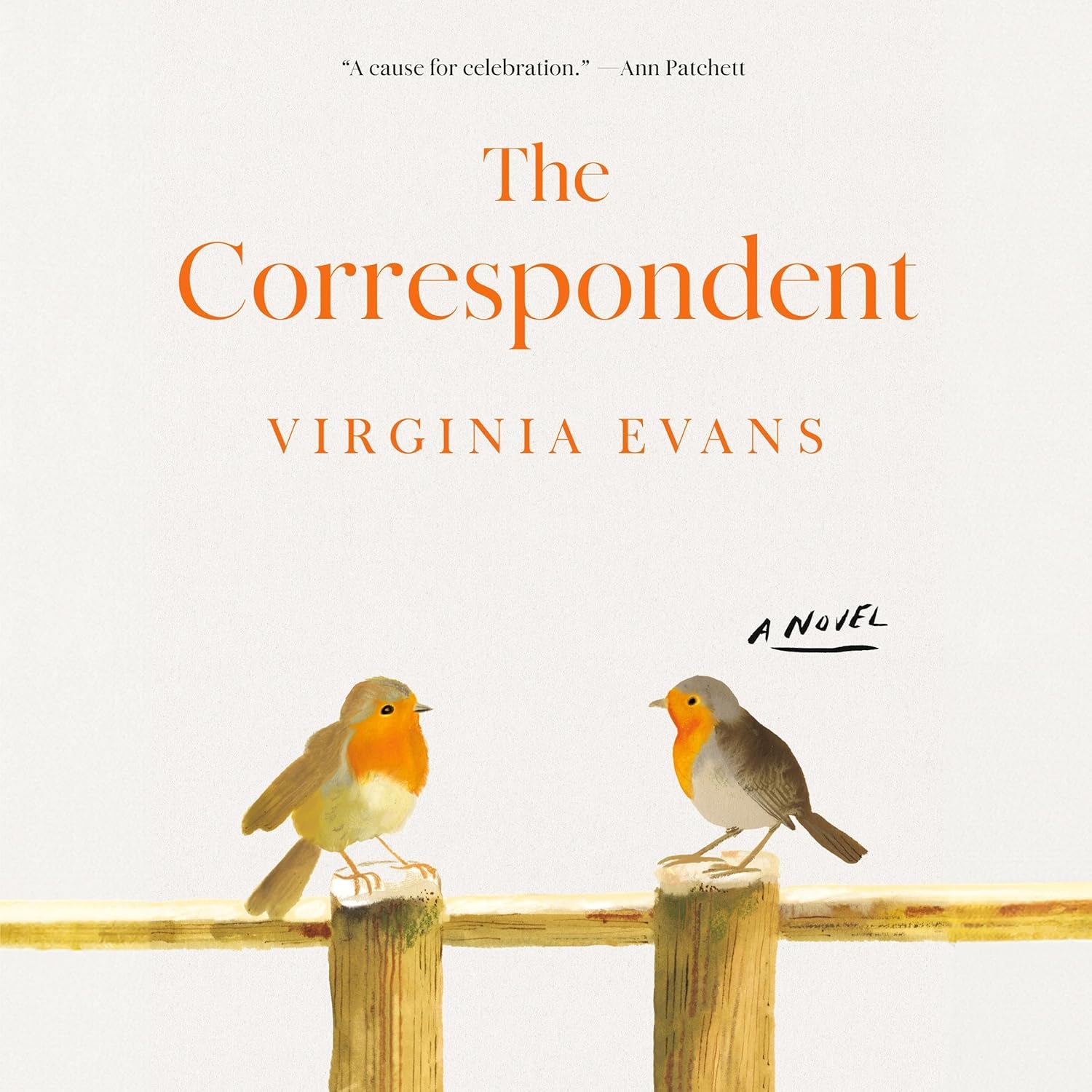

Book Review: The Correspondent — A Novel About Letters, Memory, and the Quiet Power of Connection
Introduction
The Correspondent is a word-of-mouth literary success and a #1 New York Times bestselling novel that has resonated deeply with readers for its emotional intimacy and reflective storytelling. Praised as “a cause for celebration” and “quietly dazzling,” the novel has also been longlisted for several major literary awards and is set for film adaptation.
At its core, the book is a meditation on the written word, the passage of time, and the emotional weight of a life carefully observed through letters.
The Central Story: A Life Written in Letters
The novel follows Sybil Van Antwerp, a woman who has spent much of her life communicating through letters rather than immediate conversation or digital connection.
Each morning, Sybil writes letters—to friends, family, public figures, and even authors she has never met. These letters become her way of interpreting the world, expressing thoughts, and maintaining emotional order in her life.
Her correspondence is wide-ranging and deeply personal, including:
- Letters to her brother and close friends
- Messages to academic institutions
- Reflections sent to public intellectuals and authors
- And one deeply private letter that is never sent
Through this structure, the novel constructs a life not through events alone, but through written reflection.
A Life Reflected Through Writing
Sybil is not just a writer of letters—she is a woman who understands her life through writing.
Her identity unfolds across different roles:
- Mother
- Grandmother
- Wife and former wife
- Lawyer
- Private observer of her own history
Rather than presenting her life in a linear fashion, the novel reveals her experiences through fragments of correspondence, creating a layered portrait of memory and emotion.
The letters serve as both communication and self-examination, capturing moments of clarity, regret, humor, and wisdom.
View on Amazon
Themes: Time, Memory, and Emotional Truth
1. The Power of Written Words
A central theme of the novel is the enduring power of letters. Unlike fleeting conversations, letters preserve thought, emotion, and intention.
They become a form of memory that can be revisited, reinterpreted, and understood in new ways over time.
2. Reflection Across a Lifetime
The novel explores how perspective changes with age. Sybil’s reflections shift as she revisits her past, showing how youthful certainty often transforms into mature understanding.
The contrast between past and present reveals the evolution of identity.
3. Regret and Forgiveness
One of the emotional cores of the story is Sybil’s confrontation with a painful period in her past.
A series of letters forces her to reexamine unresolved emotions, leading her toward the possibility of forgiveness—not only toward others, but also toward herself.
4. Connection Without Physical Presence
The novel emphasizes how meaningful connection does not always require physical proximity. Through letters, Sybil forms relationships that are intellectual, emotional, and deeply personal.
This creates a sense of intimacy across distance and time.
Narrative Style and Structure
The Correspondent is structured in an unconventional but elegant way, relying heavily on epistolary storytelling.
Instead of traditional chapters driven by action, the novel unfolds through:
- Letters written across decades
- Reflections embedded in correspondence
- Emotional shifts revealed gradually over time
This structure creates a reading experience that feels contemplative and immersive, encouraging readers to slow down and engage with each piece of writing.
Emotional Tone
The tone of the novel is:
- Quiet and reflective
- Emotionally rich
- Occasionally humorous
- Deeply introspective
Rather than dramatic plot twists, the emotional impact comes from subtle realizations and accumulated meaning.
Character Depth: Sybil Van Antwerp
Sybil is a complex and memorable protagonist whose strength lies in her internal world.
She is:
- Highly intelligent and articulate
- Emotionally layered and self-aware
- Sometimes reserved, sometimes sharply honest
- Deeply shaped by her past experiences
Her letters reveal contradictions within her personality, making her feel realistic and deeply human.
Strengths of the Novel
- Unique epistolary structure
- Deep emotional resonance
- Strong character development
- Thoughtful exploration of aging and memory
- Beautiful, reflective writing style
- Strong thematic focus on communication and connection
The novel stands out for its ability to turn everyday reflection into something profound and meaningful.
Potential Limitations
While widely praised, the novel may not appeal to all readers.
Some challenges include:
- Slow, reflective pacing
- Minimal external action or plot-driven tension
- Heavy reliance on introspection and written correspondence
- Subtle emotional shifts that require patient reading
However, these elements are central to its literary style.
Final Verdict
The Correspondent is a deeply moving and elegantly written novel that celebrates the enduring power of language, memory, and human connection. Through the life of Sybil Van Antwerp, it explores how letters can preserve emotion, shape identity, and create meaning across time.
It is not a fast-paced story, but a quiet and powerful reflection on what it means to live a fully examined life.
For readers who appreciate literary fiction centered on character, emotion, and introspection, The Correspondent offers a beautifully crafted and deeply rewarding experience.